Helping elderly parents prepare for hoarding cleanup requires patience, compassion, and careful planning.
When you realize your aging parent’s home has become unsafe due to clutter, the emotional weight hits hard. You’re worried about their health, their dignity, and how to even start the conversation without causing hurt.
I’ve worked with hundreds of families facing this exact situation across Charlotte and the surrounding areas. The key is approaching preparation with patience, involving your parent in decisions, and knowing when to bring in professional hoarding cleanup services to handle the physical work safely.
Starting the Conversation Without Causing Harm
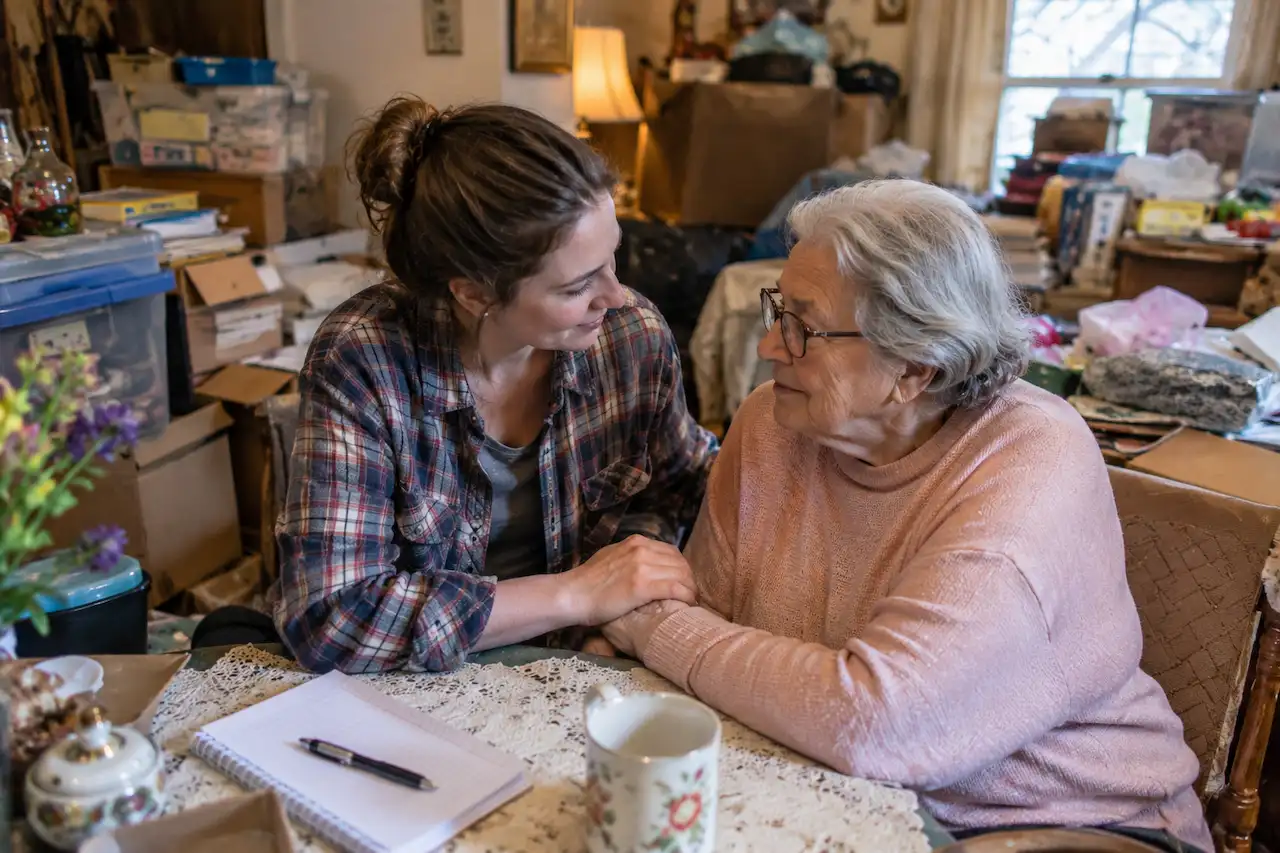
The first conversation is often the hardest. I’ve seen well-meaning families push too hard too fast and lose their parent’s trust completely. Instead, focus on safety concerns rather than judgment about the clutter itself.
Open with specific worries: blocked exits, tripping hazards, pest issues, or mold growth. Avoid words like “hoarder” or “disgusting.” Frame the cleanup as something you want to help with together, not something you’re doing to them.
Listen more than you talk. Many elderly parents attach deep emotional significance to their belongings, especially after losing a spouse or facing isolation. Understanding why they’ve kept things helps you respect their pace during the actual cleanup.
Identifying Safety Issues That Need Immediate Attention
Before any cleanup begins, walk through the home and document urgent hazards. Look for these red flags first:
- Blocked doorways or windows that prevent emergency exits
- Stacked items near heat sources or electrical outlets
- Visible mold, water damage, or pest infestations
- Spoiled food or biohazard materials like urine-soaked fabrics
- Structural damage hidden under piles
These aren’t just cleanliness issues. They’re legitimate health and fire risks that require professional remediation. If you see evidence of rodents, significant mold, or any biohazard contamination, do not attempt DIY cleanup.
Creating a Sorting System Elderly Parents Can Accept
The worst thing you can do is show up with garbage bags and start tossing things while your parent watches helplessly. Instead, establish categories together before the cleanup day.
Keep
Items with clear sentimental value, important documents, or things still used regularly. Be generous here, especially early in the process.
Donate
Usable items in good condition. Knowing their belongings will help others makes letting go easier for many elderly parents.
Discard
Broken items, expired food, moldy fabrics, or true trash. Sometimes having a neutral third party identify these items reduces family conflict.
Let your parent make the final call on borderline items. Control over decisions matters more than the speed of the cleanup.
What Professional Cleanup Includes
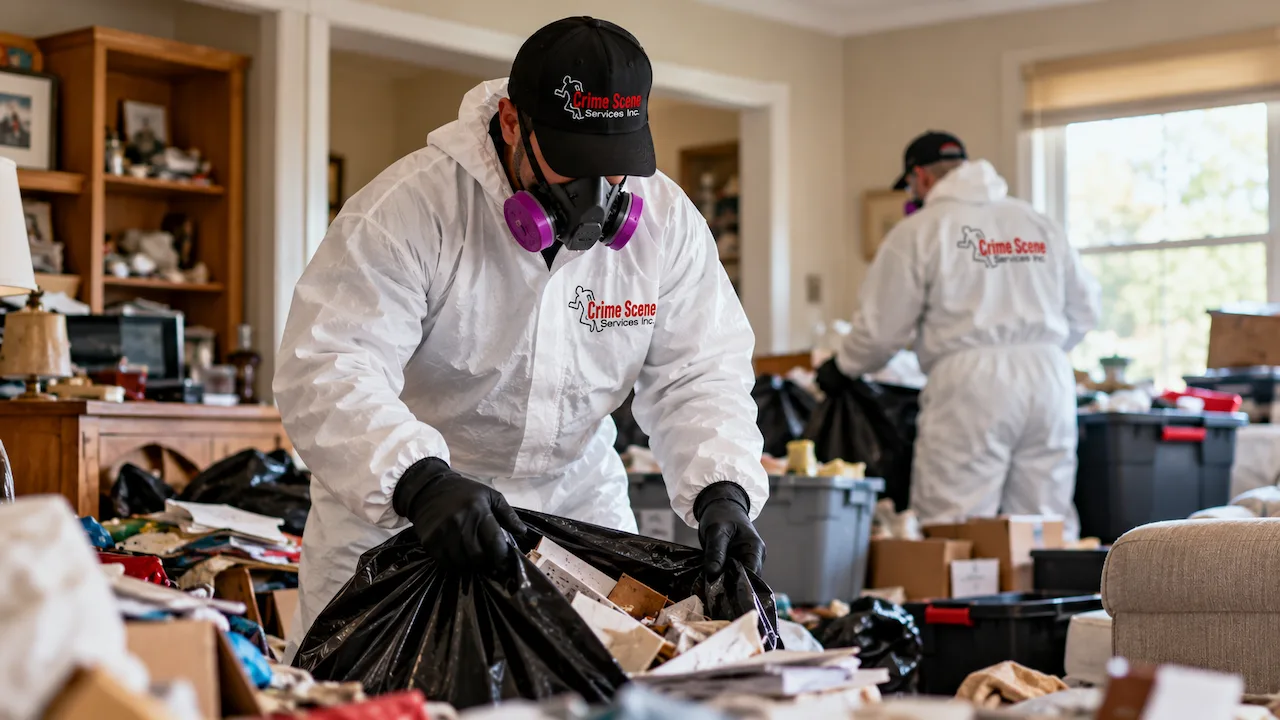
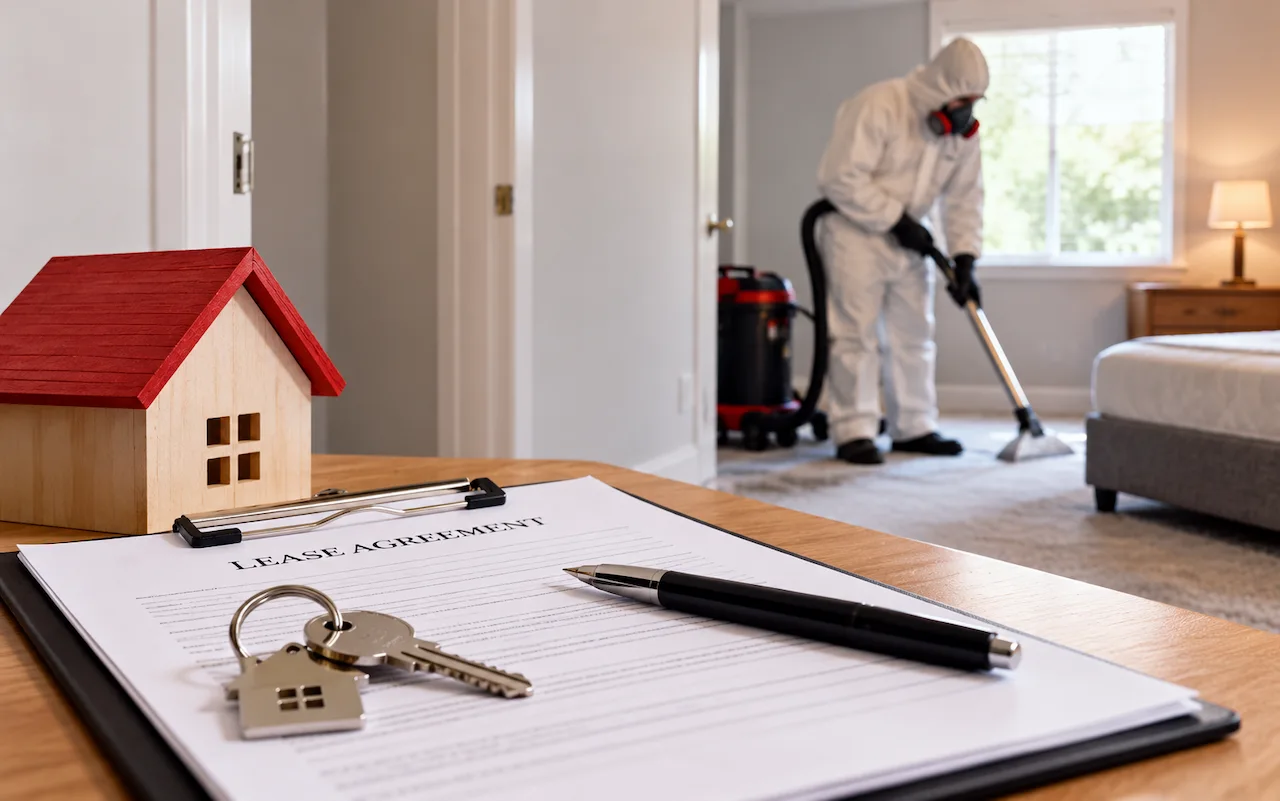
Professional hoarding cleanup can help elderly parents regain a safer and more comfortable living environment.
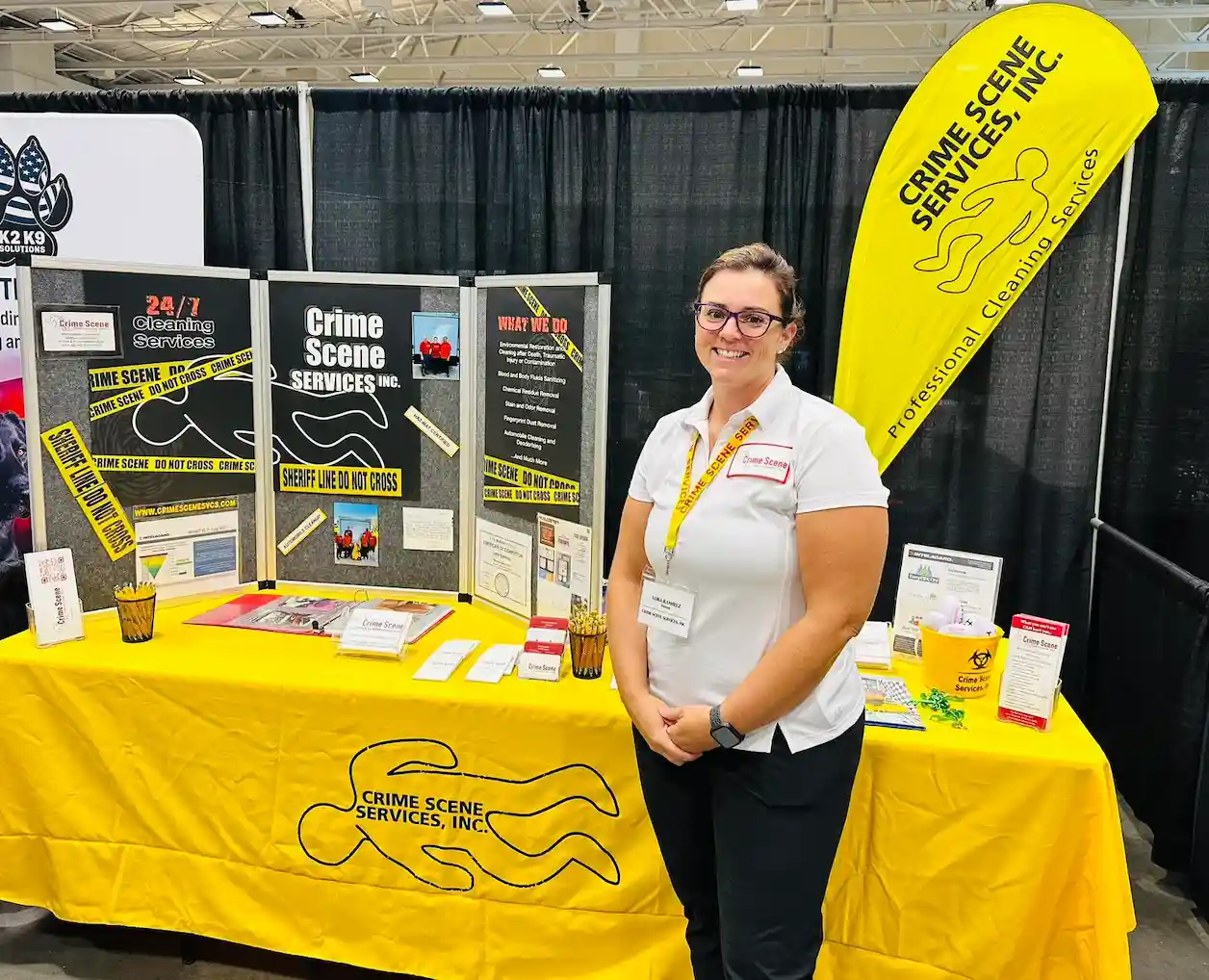
When families call Crime Scene Services INC., they often ask what we actually do beyond hauling junk. Our hoarding cleanout process addresses contamination and safety hazards that standard cleaning services can’t handle.
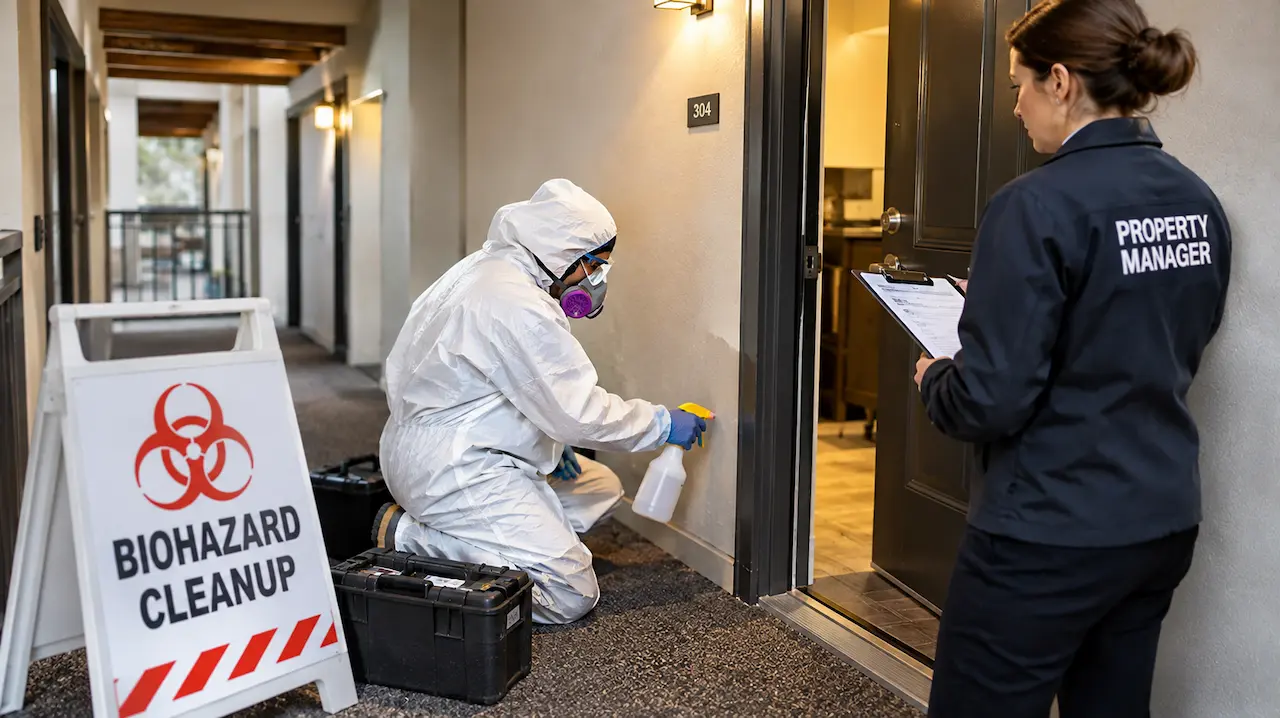
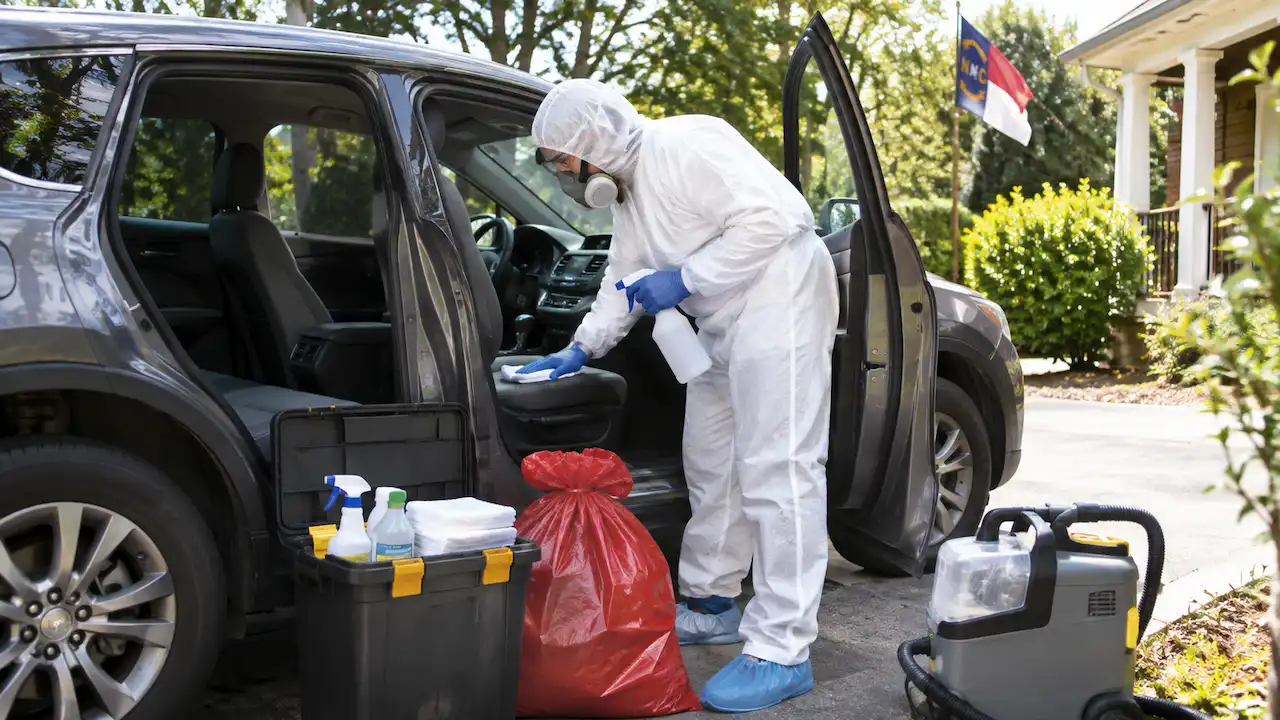
We remove biohazard materials safely, remediate mold and pest damage, disinfect all surfaces, and restore the home to a livable condition. We also use unmarked vehicles because your parent’s privacy matters. Neighbors don’t need to know what’s happening inside.
Our team has law enforcement backgrounds and 30 years of combined experience. Nothing shocks us, and we never judge. We just focus on making the space safe again while treating your parent with dignity.
Understanding Cost Factors
Families always want to know what this will cost. The honest answer depends on the home’s size, the volume of items, and the level of contamination present. A single room with mostly clutter costs far less than a whole house with biohazard removal needs.
For detailed pricing information specific to North Carolina, check our breakdown of hoarding cleanup cost in North Carolina. We provide free estimates after an initial walkthrough so there are no surprises.
Why Choose Crime Scene Services INC. for Hoarding Cleanup
We’ve helped Charlotte area families through some of their most difficult moments for over 30 years. Here’s why they trust us:
- Family and woman-owned business with compassionate, non-judgmental approach
- BBB A+ rating and Level A hazmat certification for safe biohazard handling
- Unmarked vehicles and complete discretion to protect your family’s privacy
- Bonded and insured with law enforcement experience
- Emergency response availability when situations become urgent
Frequently Asked Questions
How long does a hoarding cleanup take for an elderly parent’s home?
Most cleanups take one to three days depending on the home’s size and clutter level. Severe cases with biohazard contamination may take longer. We work at a pace that respects your parent’s comfort level.
Can my parent stay in the home during cleanup?
It depends on the contamination level. For light clutter, yes. If we’re removing mold, rodent waste, or other biohazards, they should stay elsewhere temporarily for health reasons.
What happens to items we want to keep?
We set aside all keep items in a designated safe area or move them to a separate room. You maintain complete control over what stays and what goes.
Do you handle pest control and mold remediation?
We coordinate with licensed pest control professionals when needed and handle mold remediation as part of our biohazard cleanup services. Everything is included in one comprehensive service.
Will neighbors know what’s happening?
No. We use unmarked vehicles and work discreetly. Your family’s privacy is protected throughout the entire process.
Ready to get started in Indian Trail?
Crime Scene Services INC. is here to help with hoarding cleanup for elderly parents in Indian Trail. Reach out today and we’ll walk you through your options, answer your questions, and book a time that works for you.
Call (704) 221-5329 or visit Crime Scene Services INC. to schedule your Indian Trail appointment.